
PhaseLogo

Our Gallery

Contact Info

Front Range, CO
Foothills, CO

Main: (303) 569-4248
Alternate: (303) 750-6060

email@phaseonelandscapes.com

Folow Us

May 1, 2026

Small Yard, Big Impact: Fire and Water Feature Ideas That Transform Denver Backyards
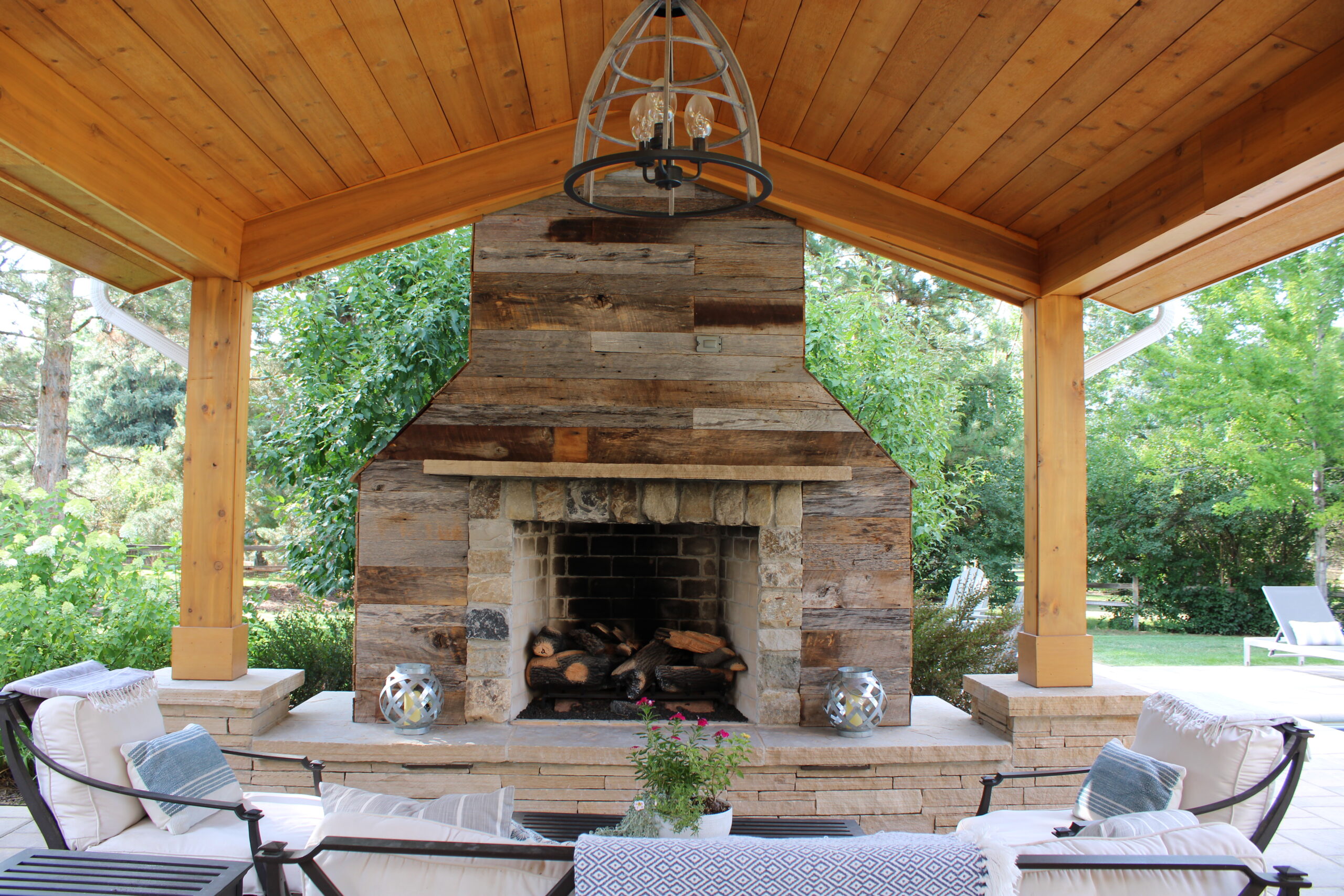
The most common thing we hear from homeowners with smaller yards isn’t a question. It’s an assumption. “Our backyard is too small for a fire pit.” “We don’t have room for a water feature.” “Those kinds of projects are for bigger properties.”

We hear it often enough that we want to address it directly: That assumption is almost always wrong.

Compact yards aren’t a limitation, they’re an opportunity to engage in a new design challenge, and design challenges are exactly what we do. After more than 30 years building custom outdoor spaces across Denver and the Front Range, Phase One Landscapes has seen some of our most impressive results come from yards that homeowners initially wrote off as too small for what they wanted.

The real question isn’t whether your yard is big enough, it’s whether the design is smart enough.

Why Small Denver Yards Are Better Candidates Than You Think

There’s something that happens when a smaller outdoor living space is designed with real intention. It tends to feel more cohesive, more livable, and more personal than a larger yard that was never quite given a clear plan. Every element carries more weight, and every decision matters more. That’s not a disadvantage, it’s an opportunity.

Denver homeowners also have a compelling reason to invest in their outdoor spaces that homeowners in other climates don’t always share: The shoulder season here is long and genuinely enjoyable. With the right features, a backyard in Denver can be comfortably used from early spring through late fall. A fire pit, outdoor fireplace, or water feature doesn’t just add ambiance, it adds months of usability to a space you already own.

Compact yards also create natural intimacy. Custom outdoor fire and water features amplify that quality rather than competing with it. For example, a well-placed fire pit surrounded by seating doesn’t need a sprawling patio to feel right, it simply needs good design.
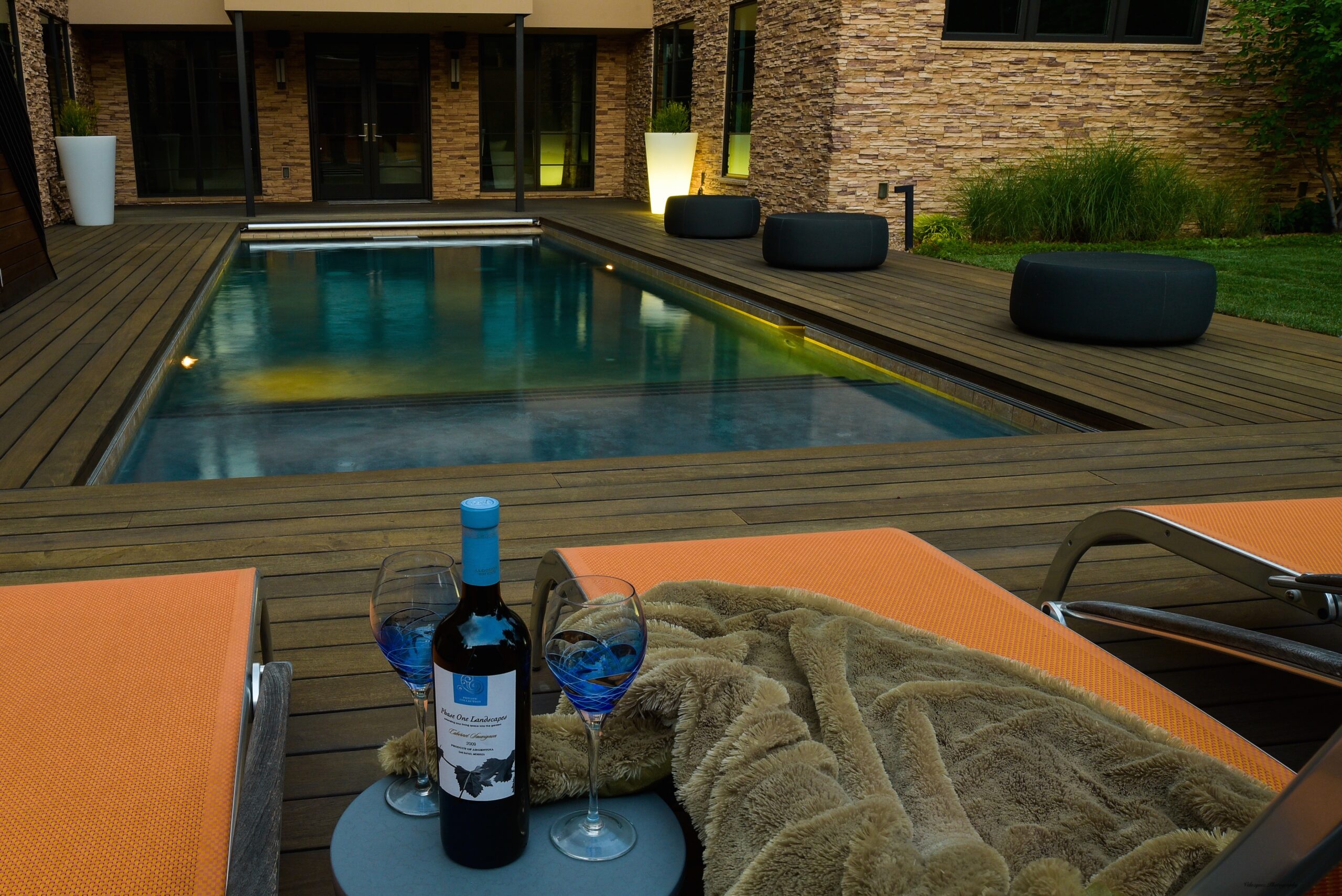
Fire Features That Work in Compact Outdoor Spaces

Fire features are one of the highest-impact additions you can make to a smaller yard because they create an immediate focal point. In a compact space, that focal point defines the entire outdoor experience. The key is choosing the right feature type and sizing it correctly for the footprint you’re working with.

Fire Pits and Fire Bowls

Fire pits are often the most versatile option for smaller Denver yards. They can be sized and positioned to fit within a defined patio area without dominating it, and when they’re surrounded by well-planned seating, they become the organizing element the whole yard centers around.

Fire bowls offer a slightly different quality. They’re sculptural and elevated, which works particularly well in tighter spaces where a recessed in-ground pit might feel too large or too permanent. A fire bowl on a simple hardscape pad can deliver strong visual presence without consuming significant square footage.

Linear and Tabletop Fire Features

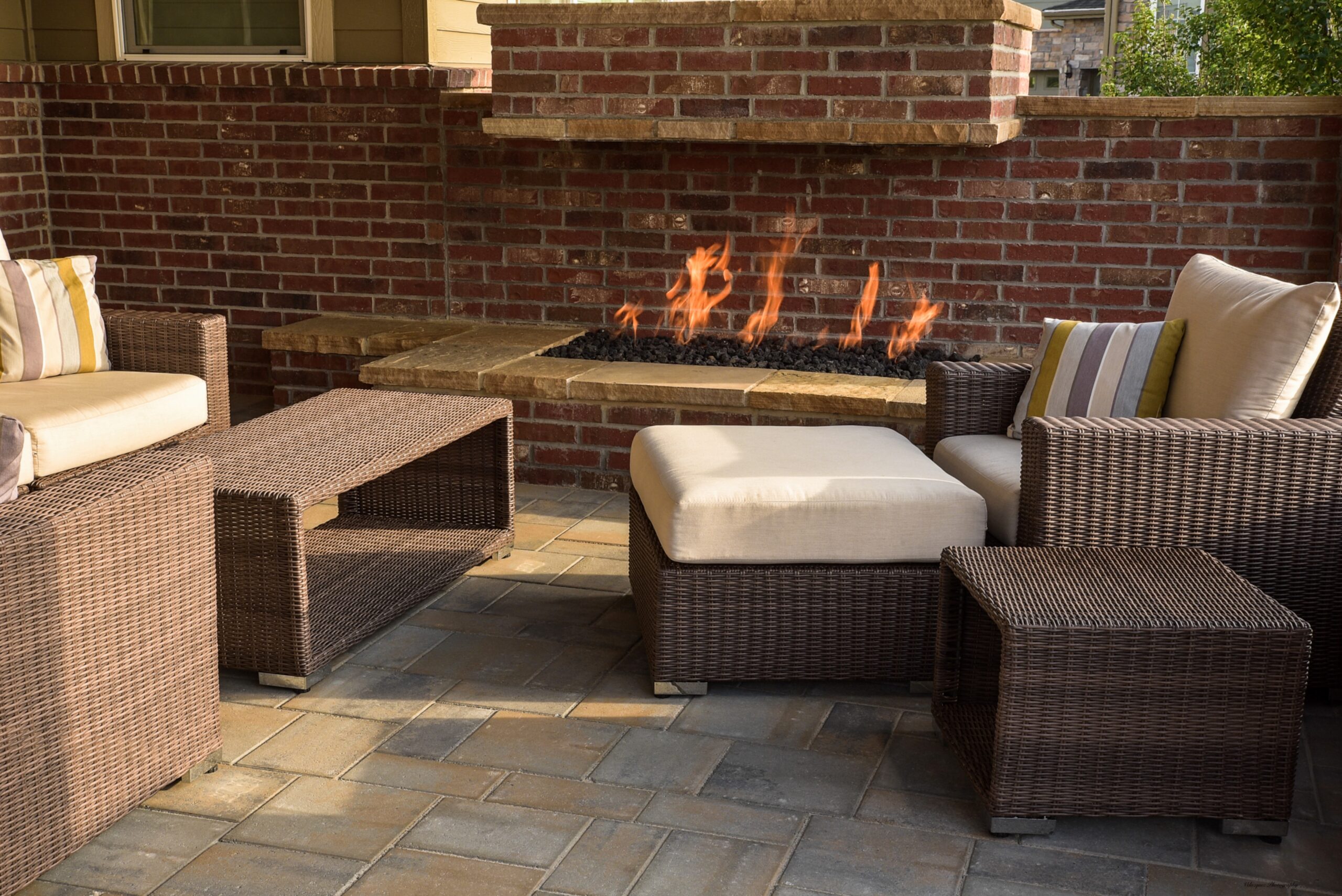
When horizontal space is limited, linear fire features and fire tables are worth serious consideration. These formats integrate naturally into outdoor dining and lounge configurations, keeping the footprint compact while still delivering the warmth and atmosphere a fire feature provides.

Fire tables are especially practical in small yards. They function as furniture and as a gathering focal point simultaneously, which means you’re not giving up usable space to add the feature. You’re replacing one element with something that does more.

Outdoor Fireplaces in Smaller Yards

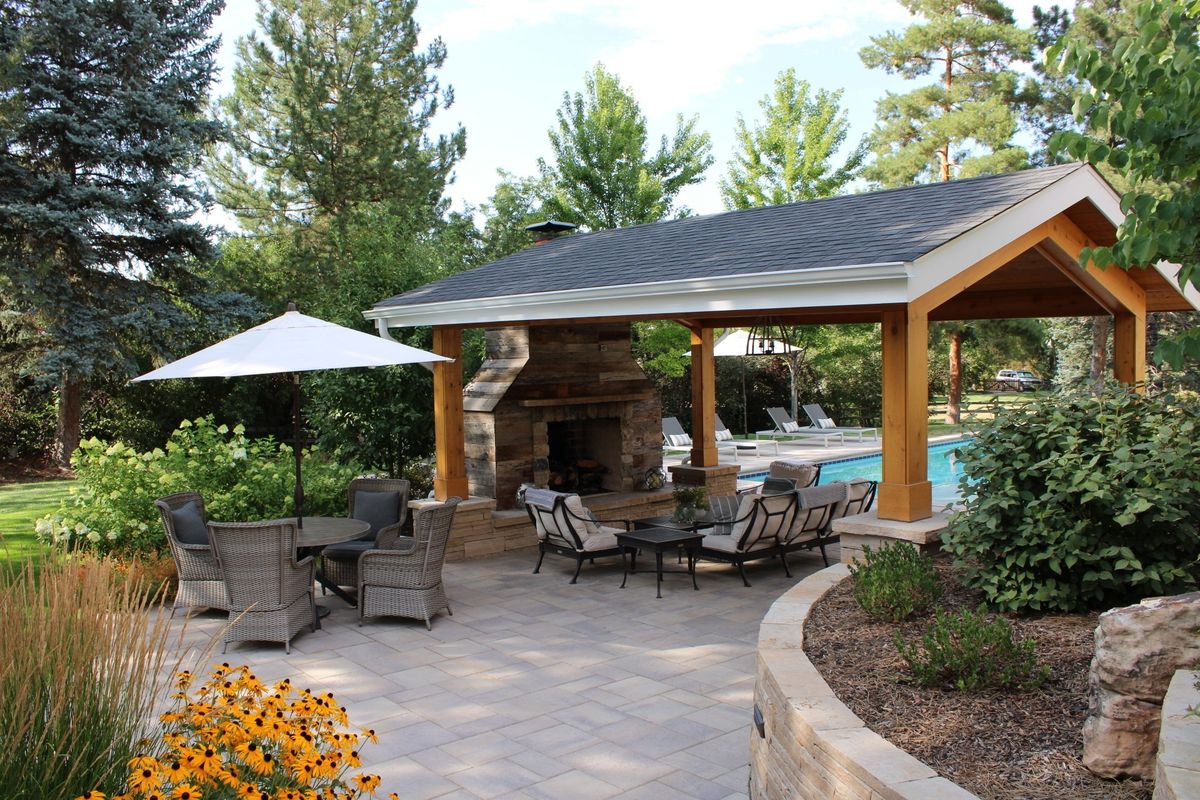
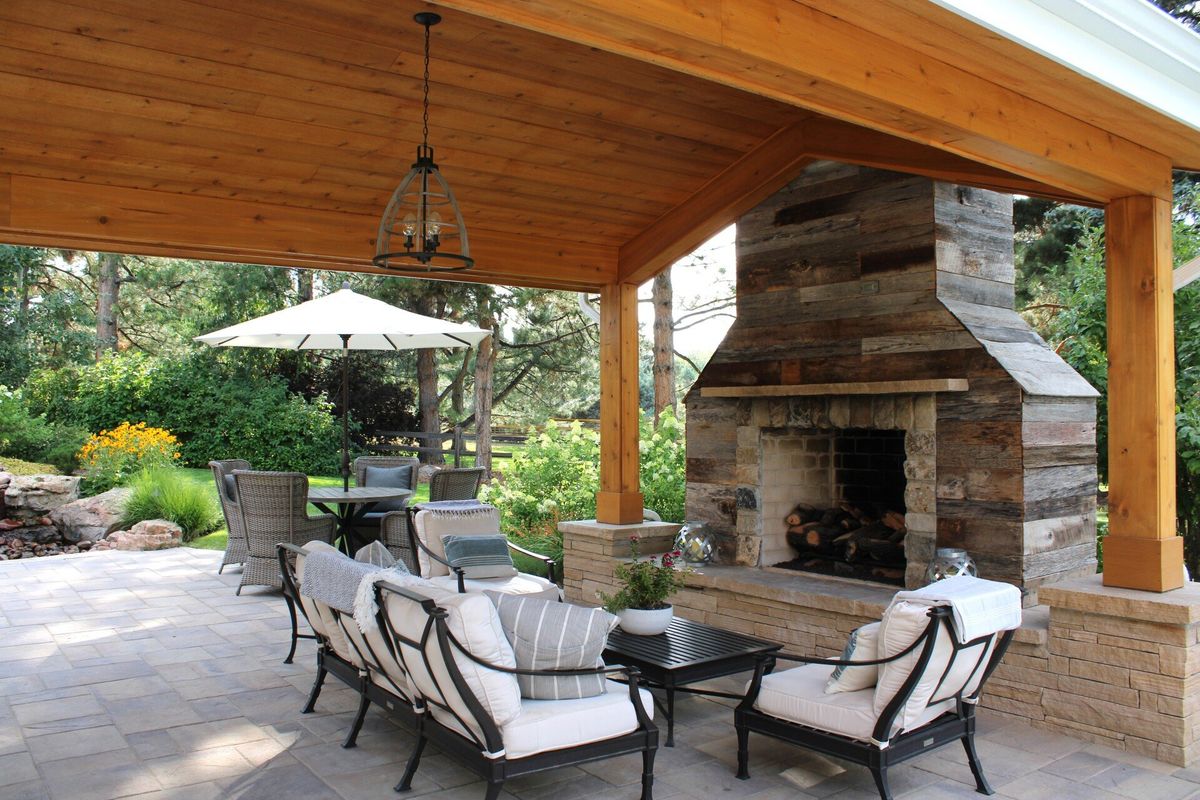
A built-in outdoor fireplace is a larger commitment in a small yard, but it’s not off the table if the design approach is right. Placement against a fence line, exterior wall, or property boundary can anchor the feature without consuming central yard space. The fireplace becomes a backdrop rather than an obstacle.

It’s worth knowing that a permanent outdoor fireplace typically requires more clearance from structures and plantings, a structural masonry foundation, and in most cases a permit through the City and County of Denver. Those aren’t reasons to walk away from the idea. They’re simply part of the planning conversation we have at the front end of every project.
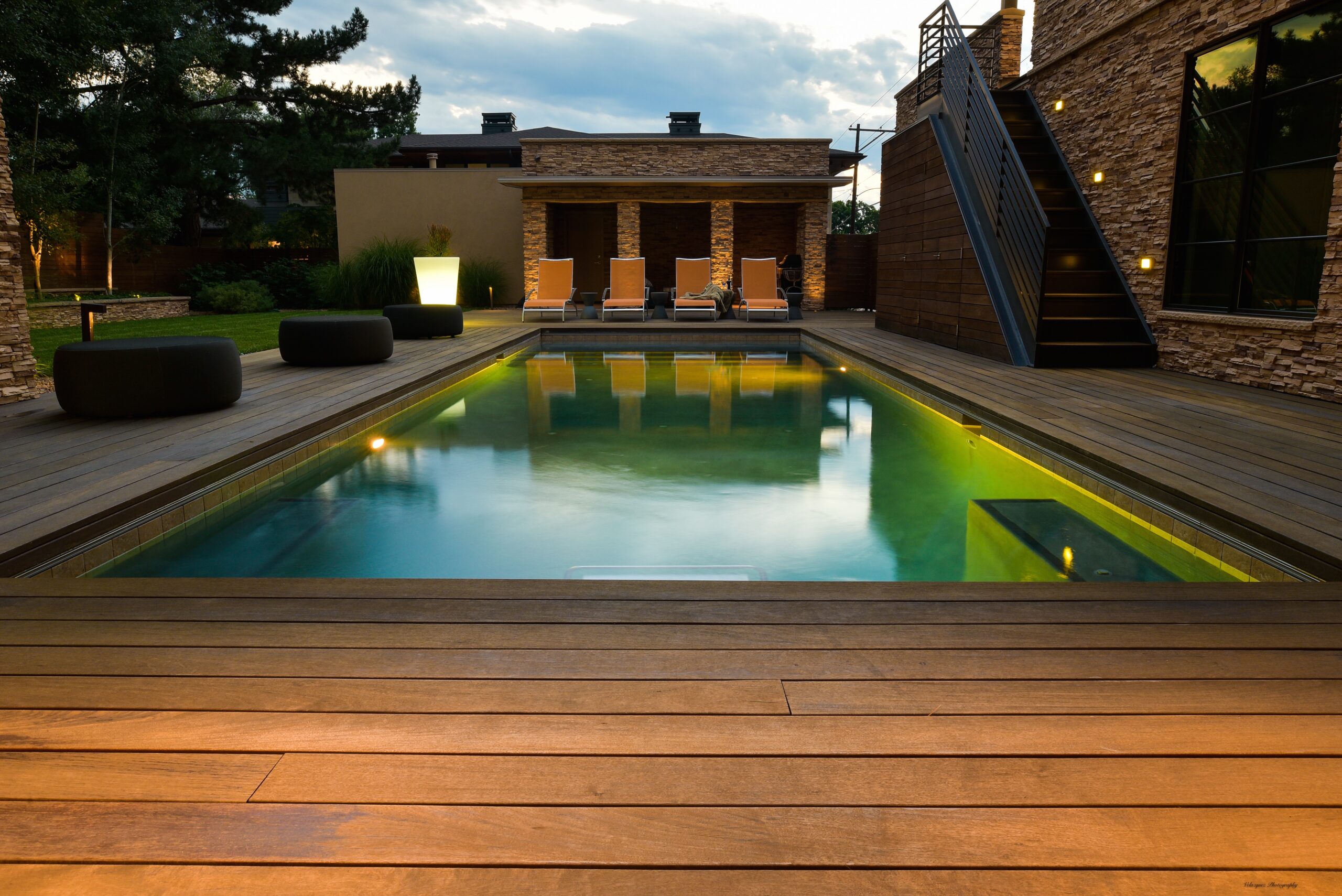
Designing Fire Features for Denver’s Climate and Conditions

Denver’s outdoor environment is specific in ways that matter when you’re designing a fire feature, and generic advice won’t serve you well here.

A few things worth understanding before you move forward:

  • Elevation affects combustion:  Denver sits above 5,000 feet. Natural gas and propane fire features burn differently at altitude than they do at sea level. Burner selection and BTU output should account for this, and an experienced local design-build firm will know how to spec features that perform reliably here.
  • Freeze-thaw cycles affect materials: The temperature swings Denver experiences through the year put real stress on hardscape materials and fire surrounds. Stone, concrete, and metal finishes all need to be selected with Colorado conditions in mind, not just aesthetics.
  • Clearance requirements are non-negotiable: Denver Fire Department guidelines require adequate clearance from structures, fencing, and combustible materials. Natural gas installations require permitted gas line work completed by a licensed professional.
  • HOA rules vary by neighborhood: If your property is governed by a homeowners association, their rules around fire features should be confirmed early in the design process.

Our team of landscaping professionals has been building in Denver and the Front Range since 1994. We know which materials hold up through Colorado winters, which fuel configurations perform reliably at altitude, and how to design features that look as good in their fifth year as they did at installation.

Water Features That Fit Any Yard Size

Moving water transforms a backyard in ways that are genuinely disproportionate to the space it occupies. Sound, motion, and visual softness all contribute to an outdoor experience that feels more complete. In urban and suburban Denver yards, water features also do something practical: they help mask ambient noise from traffic and neighboring properties, which is a real quality-of-life benefit when you’re working with a smaller, more enclosed space.

The key is matching the feature type to the footprint and to the homeowner’s maintenance preferences.

Pondless Waterfalls and Recirculating Features

Pondless waterfalls are the most practical water feature option for most smaller Denver yards, and they’re what we recommend most often in compact spaces.

Here’s how they work: Water circulates through an underground reservoir rather than collecting in an open pond. That means there’s no standing water to maintain, no safety concern for children or pets, and no significant above-ground footprint requirement. You get the full sensory experience of moving water without the complexity of a traditional pond ecosystem.

They’re also considerably easier to winterize, which matters in Denver. Water features that aren’t properly shut down before hard freezes can sustain real damage. Pondless systems are designed with that reality in mind.

Wall-Mounted Fountains and Vertical Features

Wall-mounted fountains are one of the most space-efficient water features available for compact yards. They mount against a fence, exterior wall, or freestanding panel and take up essentially no ground space at all.

Beyond the practical benefit, vertical features do something important from a design standpoint: They add depth and dimension to a compact yard, making the space feel larger and more layered without expanding the footprint. A well-chosen wall fountain, integrated with surrounding hardscape and planting, doesn’t read as an accessory. It reads as a deliberate part of the design.

Bubbling Rocks and Container Features

For homeowners who want the presence and sound of water without a significant installation, bubbling rocks and container-style features are excellent entry-level options. They work well in planting beds, along pathways, or as accent elements within a broader hardscape composition.

They’re low-maintenance, highly versatile, and more impactful than their modest size suggests. They’re also a natural starting point for homeowners who want to test the experience of a water feature before committing to something larger.

Water Features and Denver’s Climate: What You Need to Know

Designing a water feature for a Denver yard requires the same local awareness we bring to fire features. There are a few things that come up in nearly every project conversation we have:

  1. Freeze-thaw is the primary concern: Water features in Colorado must be designed for proper drainage and winterization access. A feature that can’t be fully drained and shut down before winter is a feature that’s going to have problems. We design for this from the start, not as an afterthought.
  2. Material selection matters more than it might in other climates: Stone, concrete, and liner materials all behave differently under Denver’s UV exposure and temperature swings. Choosing materials for Colorado conditions, not just appearance, is what determines how a feature holds up over time.

Water conservation is a real consideration: Colorado’s semi-arid climate means evaporation rates are higher than in many other parts of the country. Recirculating systems address this well, but the design should account for it. A properly designed water feature doesn’t consume significant water once it’s established, but that outcome requires intentional planning from the beginning.

The Design Principles That Make Small Yards Work

There’s a difference between simply adding a feature to a yard versus designing a yard around a feature. In compact spaces, designing fire and water features that truly elevate outdoor living is a distinction that’s key.

A few principles we apply consistently when we’re working with smaller footprints:

  • Scale and proportion determine success: An oversized fire feature or a pond that consumes half the patio doesn’t enhance a compact space. It overwhelms it. The goal is always integration, not addition.
  • Placement should account for multiple factors simultaneously: Sightlines from inside the home, circulation flow through the yard, proximity to seating, and clearance from structures all inform where a feature belongs. Good placement feels inevitable. Poor placement feels forced.
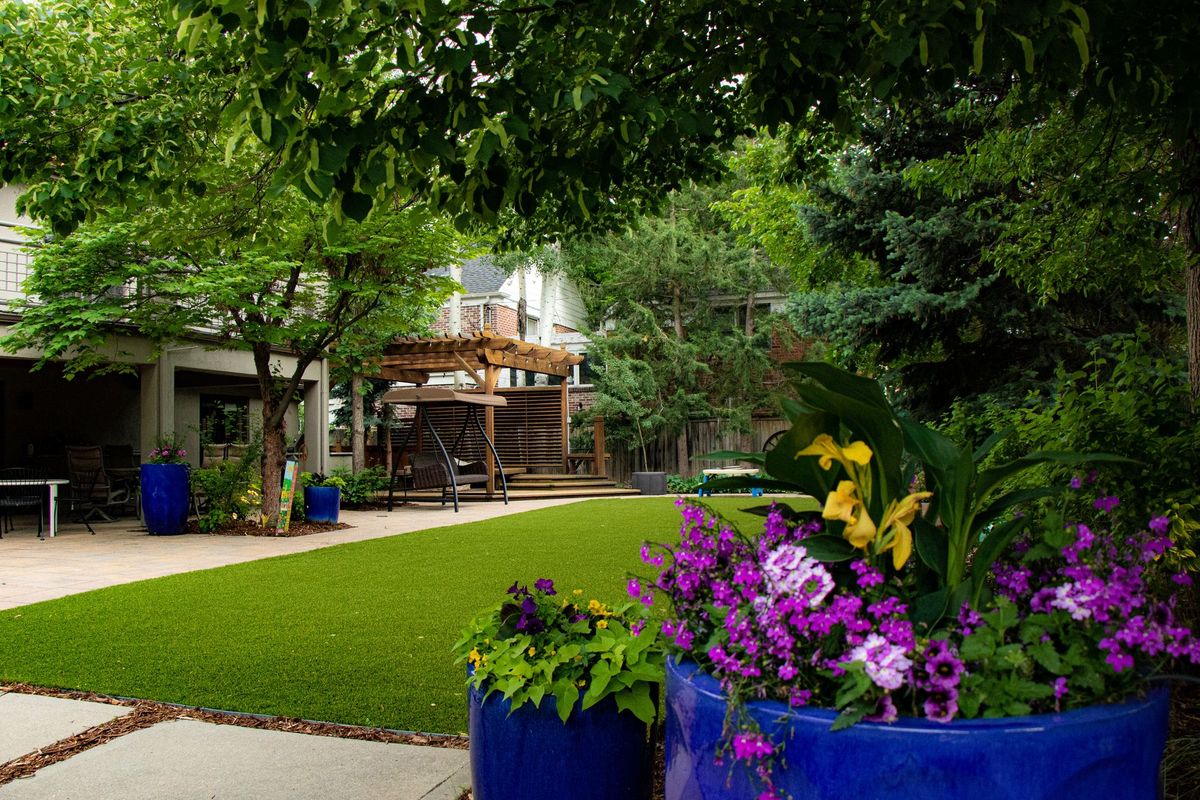
  • Vertical layering expands what’s possible: Wall-mounted features, raised planters, pergolas, and vertical planting all add depth and dimension without expanding the ground-level footprint. In tight spaces, designing upward is often as valuable as designing outward.
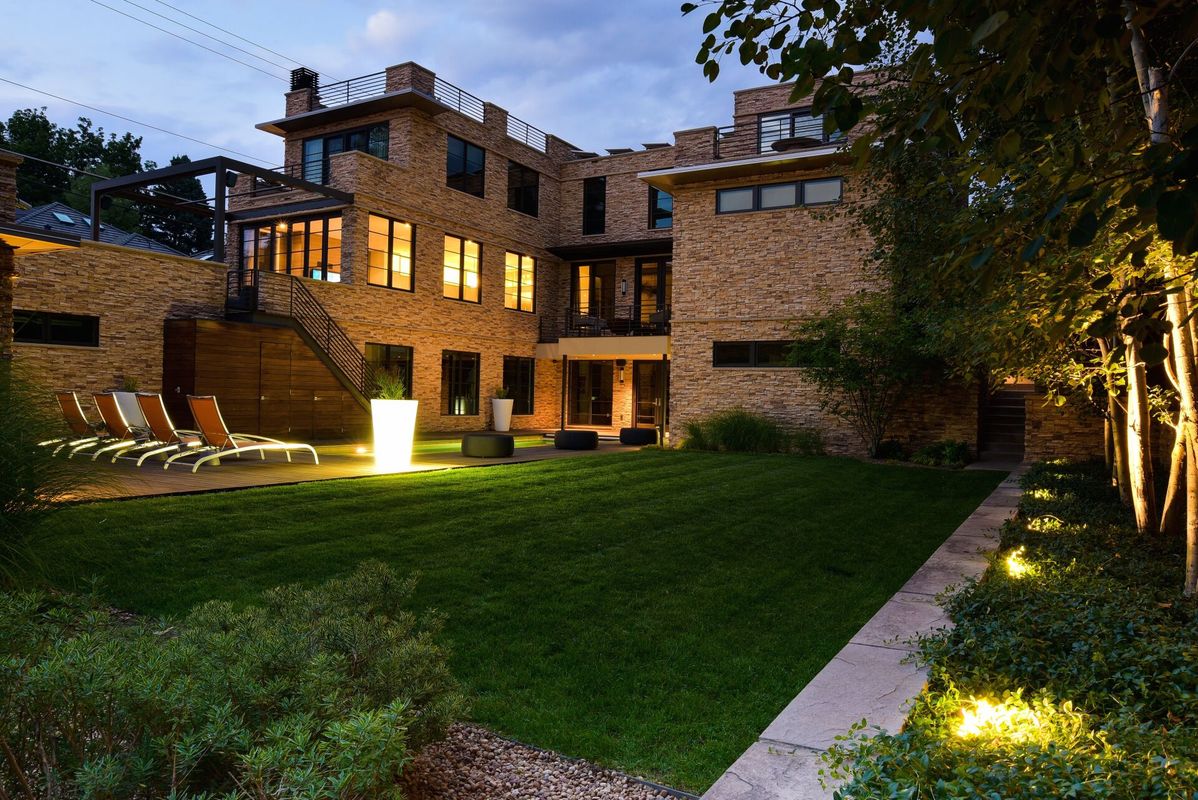
  • Lighting is the multiplier: Well-designed low-voltage lighting extends usability into the evening, highlights water movement, enhances fire ambiance, and makes a small yard feel layered and immersive after dark. It’s one of the highest-return investments in any outdoor space, and it’s especially impactful in compact environments where every design element is doing more work.
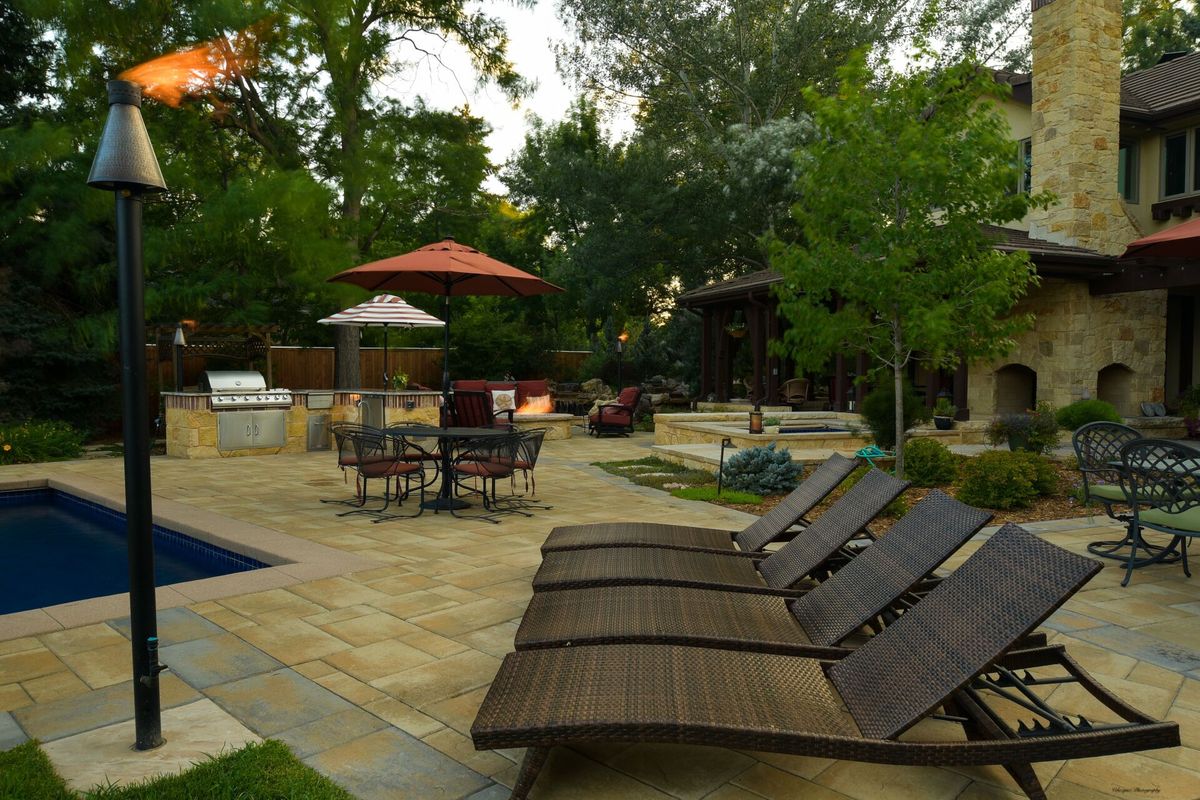
  • Fire and water work well together: In smaller yards, combining both feature types is more achievable than most homeowners expect. They engage different senses and create a richer overall experience without competing for the same space.

Material continuity ties it together: When fire surrounds other features, paving, retaining walls, and water feature materials share a coherent palette. As a result, the yard feels designed rather than assembled. That cohesion is what separates a good outcome from a great one.

What to Expect When You Add a Fire or Water Feature to a Compact Yard

One of the most important things we can tell you is this: A fire pit or water feature doesn’t have to be part of a full yard renovation to be worth doing. These features can absolutely stand alone as a first-phase project, and for many of our clients, that’s exactly how it starts.

The investment reflects the design intelligence involved, not just the physical size of the feature. Compact projects still require precise design, quality materials, and skilled landscape construction. They don’t cost the same as an estate-scale renovation, but they’re not a shortcut either.

Here’s what the process looks like when you work with us:

  1. We start with a conversation: We want to understand how you use your space, what you want to feel when you’re out there, and what the site is actually presenting in terms of constraints and opportunities.
  2. We design with your full yard in mind: Even if you’re only adding one feature right now, our custom landscape design/build processes are part of a coherent composition. That way, if you want to expand the project later, everything connects.
  3. We price transparently: You’ll know what things cost and why before any landscape construction begins. If conditions change once we’re on site, we handle that through clear, documented change orders, and we always talk through options with you before moving forward.
  4. We build it right and stand behind it: Our work is backed by a one-year plant warranty and a two-year limited hardscape warranty. We also schedule a 30-day check-in after completion, and our irrigation team stays involved during the establishment period to make sure everything is performing the way it should.

The first step is a conversation, not a commitment. If you’re curious about what’s actually possible in your yard, that’s exactly the kind of question we enjoy answering.

Your backyard is more capable than you think. Whether you’ve been imagining a fire pit for late-night gatherings, the sound of moving water just outside your back door, or both, we’d love to help you figure out what’s possible.

Explore our full range of fire and water feature services or request an appointment today to get the conversation started.

Phase One Landscapes is a Denver-based residential landscape design-build firm serving the Greater Denver Metro area and the Colorado Front Range. Founded in 1994, the company delivers fully custom outdoor living environments through a turnkey, in-house process that spans design, construction, and post-project care. Known for craftsmanship, fair market value pricing, and long-tenured teams, Phase One Landscapes provides one accountable partner from the first consultation through completion and beyond.

Daniel Burns
Author

Leave a Reply

Your email address will not be published. Required fields are marked *